How to Recognize Hypochondriasis? – Causes, Symptoms, Diagnosis and Treatment

A mental health problem known as illness anxiety disorder or hypochondriasis is represented by excessive worry about one’s own health despite the absence of any symptoms of illness. Another name for hypochondriasis is somatic symptom disorder.

A person who has hypochondriasis is referred to as a hypochondriac. A hypochondriac obsesses over their health continually, which causes significant levels of worry, whereas a healthy person often just worries about their well-being when it is essential. A hypochondriac believes that no matter how trivial a health issue, such as a common cold or a mild headache, is a severe and life-threatening condition. The severity of hypochondria relies on how much anxiety and suffering it causes the person experiencing it, as well as how much it interferes with their ability to function normally and be productive daily.

What are the Causes of Hypochondriasis?

There is currently no known cause for hypochondriasis. However, several underlying causes, such as the following, have a role in this health anomaly in people:

Beliefs And Fallacies

Some people search for proof to show a life-threatening sickness is affecting their bodies because they feel restless and unsatisfied with simple explanations for common symptoms. As a result, people misinterpret how the system’s organs work and assume that something is seriously wrong with their health.

Hereditary factors

People who have parents or other close relatives who suffer from hypochondria are more likely to develop the condition themselves.

Unsettling Historical Events

Sometimes a severe disorder in the past that caused a great deal of pain and suffering can cause unwarranted fears of relapsing into the same dangerous health condition.

Associated Medical Issues

People who already suffer from psychiatric disorders including depression, anxiety, and obsessive-compulsive disorder, to name a few, are significantly more likely to develop hypochondriasis.

Risk Factors Associated with Hypochondriasis

In most cases, hypochondriasis develops in young adults, although it can also happen in middle-aged people, and it grows worse as people age. An aging person’s main dread is frequently concern over forgetting their past or experiencing complete memory loss. Some people are more likely than others to develop hypochondriasis due to specific factors. These include:

  • Heavy workload and stress, whether at work or at home
  • Persistent worry is a major personality trait.
  • Frequent online browsing on health and disease-related subjects
  • Trauma from childhood, including mental and physical abuse
  • A severe medical ailment had in the past

What are the Symptoms of Hypochondriasis?

Most hypochondriacs are worried about their health and believe they are ill despite simply experiencing common bodily sensations like stomach rumbling or a small injury symptom like a skin rash.

The following are the distinctive signs of hypochondriasis:

  • Irrational fears of being sick all the time
  • Examining the body repeatedly to look for any anomalies
  • Avoiding familiar surroundings and well-known individuals out of fear of getting sick
  • Concerned about contracting deadly illnesses like cancer or a heart attack
  • Skeptical about being sick, either after several doctor visits and medical testing prove their overall health, or completely refusing to seek medical advice.

How can you Treat Hypochondriasis?

The patient’s level of hypochondriasis-related suffering must be determined in order to develop therapies that will eventually help the patient get over their fear and lead a more fulfilling life.

The typical steps in treating hypochondria include:

(CBT) Cognitive Behavioural Therapy

CBT, also known as psychotherapy or talk therapy, aims to provide the patient the freedom to openly discuss their symptoms and develop an understanding of their erroneous thinking in order to give them practical advice on how to reduce anxiety and face various circumstances with ease.

Medications on Prescription

In addition to CBT, the doctor may also recommend antidepressant and anxiolytic medications to the patient. These medications alter neurotransmitter activity in the brain, improve mood and memory, and reduce anxiety.

A doctor would examine a patient for physical issues if they were being treated for hypochondria. The following are their options:

  • Expressing an accurate and transparent assessment of the reasons of concern giving the affected person guidance and resources for self-help
  • Referring the patient to a therapist or psychologist, particularly if they believe that depression or anxiety may be making the symptoms worse
  • Providing medicine, such as antidepressants to lessen anxiety, are all examples of cognitive behavioral therapy.

Lifestyle Improvement

Simple habits like eating a balanced diet, exercising every day, and abstaining from vices like drinking and smoking help the hypochondriac patient to improve their general health, ensuring that they fully recover.

Conclusion

If you believe that you or someone you know is suffering from hypochondria, inform them that you are willing to support them and that you wish to assist them. Discuss the situation with them, pay attention to what they have to say, and encourage them to consult a doctor or other healthcare provider.

We highly value everyone’s participation and also emphasize that the winning criteria were not solely based on the selfie submitted, it included other factors like active participation, the number of tags, and adherence to the contest rules. The winners chosen by our team were deemed truly deserving based on these considerations. We encourage everyone to continue participating in future contests to win exciting prizes.
Is Disease X as dangerous as COVID-19, and is India ready to handle it?

It’s not long since WHO (World Health Organization) announced the outbreak of COVID-19, and that it was no longer a global emergency, signifying the monumental ending of a deadly pandemic that put the lives of billions of people worldwide at risk. Now, experts and professionals are under the fear that an even more fatal disease might break free and cause an even more lethal pandemic. As we grapple with the ongoing pandemic, concerns about future outbreaks loom large. One such concern is the concept of “Disease X“.

According to the WHO, “Disease X represents the knowledge that a serious international epidemic could be caused by a pathogen currently unknown to cause human disease.” The phrase was first used in 2018. In this blog, we will explore the hypothetical nature of Disease X and assess India’s readiness to deal with such a threat.

Understanding Disease X

The WHO originally released a list of diseases that could start a “deadly pandemic” in 2017 and then carried out a prioritizing exercise the following year. The list currently contains COVID-19, Ebola virus disease, Marburg virus disease, Lassa fever, Middle East respiratory syndrome, severe acute respiratory syndrome (SARS), Nipah, Zika, and the most recent addition to the list, “Disease X.”

Disease X is not a specific disease but rather a placeholder term used by the World Health Organization (WHO) to describe a previously unknown or unforeseen pathogen that could cause a future pandemic. The concept of Disease X serves as a reminder that new diseases can emerge at any time, posing significant risks to global health security.

COVID-19 & Disease X

To assess the potential danger of Disease X, we can draw comparisons with COVID-19. It is important to note that Disease X is a hypothetical scenario, and its characteristics are unknown. However, we can evaluate the preparedness and response mechanisms developed during the COVID-19 pandemic to gauge India’s readiness for a future unknown disease.

COVID-19 has proven to be highly contagious, causing severe illness and overwhelming healthcare systems worldwide. Its impact has been exacerbated by factors such as asymptomatic transmission and the absence of a vaccine during the initial stages. While Disease X may differ in specific attributes, it is crucial to be prepared for a range of possibilities.

How can India Handle Disease X after Battling with COVID-19?

India’s battle against COVID-19 has been a mixed bag. The country faced enormous challenges due to its large population, dense urban areas, and limited healthcare infrastructure in certain regions. However, India also demonstrated resilience, adaptability, and the ability to implement large-scale interventions.

The pandemic prompted India to strengthen its healthcare system, enhance testing capabilities, and establish dedicated COVID-19 treatment facilities across the country. Additionally, the government implemented nationwide lockdown measures, leveraging technology for contact tracing, and facilitating vaccine distribution.

How Can the Country Prepare?

The experience gained during the COVID-19 pandemic provides valuable insights and lessons for India’s readiness for Disease X. Here are some key areas that need attention:

Strengthening Healthcare Infrastructure

India must continue investing in healthcare infrastructure, including hospitals, diagnostic laboratories, and research facilities. This will enhance the capacity to respond to future outbreaks effectively.

Improving Surveillance and Early Detection

Developing robust surveillance systems and early warning mechanisms can aid in detecting and containing a new disease. Timely identification and tracking of potential outbreaks are crucial to mitigate the spread. Additionally, it is necessary to spread awareness about the sudden emergence of the disease to timely curb and take essential safety measures.

Enhancing Research and Development

India has a strong pharmaceutical industry and a wealth of scientific talent. Encouraging research and development in the field of infectious diseases, vaccines, and therapeutics will bolster the nation’s ability to respond to novel threats.

Building a Skilled Workforce

Strengthening the healthcare workforce by improving training and providing necessary resources will ensure a competent response during future outbreaks. Well-trained healthcare professionals are vital for managing emergencies effectively.

Strengthening International Collaboration

Disease X is a global concern that necessitates international cooperation and information sharing. India should actively engage with international organizations, exchange expertise, and contribute to global preparedness efforts.

Conclusion

While the concept of Disease X remains hypothetical, it serves as a reminder of the unpredictable nature of emerging infectious diseases. India’s response to COVID-19 has been a learning experience, highlighting both strengths and areas for improvement. The nation’s readiness to handle Disease X will depend on its ability to strengthen healthcare infrastructure, enhance surveillance systems, invest in research and development, build a skilled workforce, and foster international collaboration.

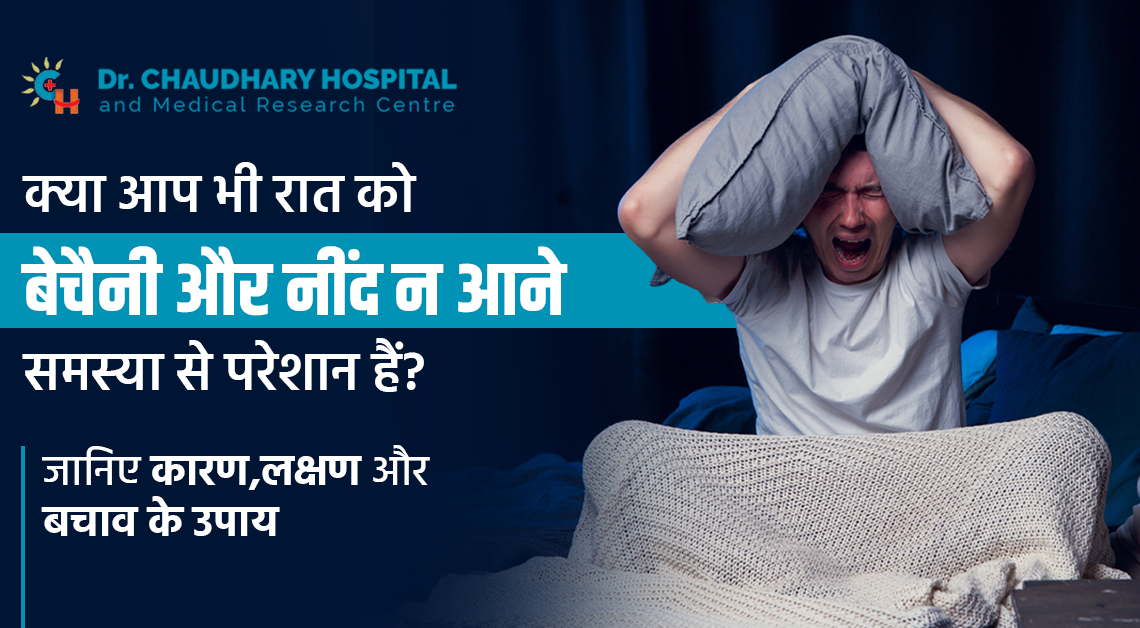
क्या आप भी रात को बेचैनी और नींद न आने की समस्या से परेशान हैं? जानिए कारण,लक्षण और बचाव के उपाय

नींद न आना एवं बेचैनी एक आम समस्या है जिससे दुनियां भर के लाखों लोग पीड़ित हैं। अनिद्रा मानसिक के साथ ही हमारे शारीरिक स्वास्थ्य को भी प्रभावित करती है। अगर अनिद्रा का समय पर उपचार नहीं किया जाए तो इसके परिणाम गंभीर हो सकते हैं। ऐसे में यह आवश्यक है कि हम अनिद्रा के कारणों एवं लक्षणों की पहचान कर चिकित्सकीय परामर्श लें।

आजकल की व्यस्ततम एवं भागदौड़ भरी जीवनशैली, तनावपूर्ण वातावरण, अकेलापन सहित कई कारणों से हमारी नींद प्रभावित होती है। नींद का सीधा संबंध हमारे मस्तिष्क से है। अगर हम पर्याप्त नींद नहीं लेंगे तो हमारे मस्तिष्क को आराम नहीं मिलेगा और हम अवसाद से ग्रसित हो जाएंगे। जिसका असर हमारे शारीरिक स्वास्थ्य पर भी पड़ेगा और यह हमारे लिए काफी नुकसानदेह साबित होगा।

ऐसे में आज के आर्टिकल में हम अनिद्रा के कारणों, लक्षणों एवं इसके उपचार के बारे में जानेंगे।

नींद नहीं आने के क्या कारण हैं?

आमतौर पर नींद नहीं आना हमारे दैनिक जीवन की घटनाओं, तनाव एवं आदतों पर अधिक निर्भर करता है। इसके अलावा कुछ ऐसे मेडिकल कारण भी होते हैं, जिससे हमें अनिद्रा की समस्या होती है। अब हम नींद नहीं आने के कारणों को विस्तार से समझते हैं।

1. तनाव

नींद नहीं आने का एक प्रमुख कारण तनाव है। अक्सर हम ऑफिस के काम, घर की परेशानियों, आर्थिक एवं भावनात्मक कारणों से तनावग्रस्त हो जाते हैं। जिससे हमारी नींद प्रभावित होती है। हम तनाव के चलते देर रात तक अपनी समस्याओं के बारे में सोचते रहते हैं और नींद नहीं निकाल पाते। जिसका नकारात्मक प्रभाव हमारी दिनचर्या पर भी पड़ता है।

2. सोने का समय फिक्स नहीं होना

समय पर नहीं सोना भी नींद नहीं आने का एक बड़ा कारण है, क्योंकि नींद आने का एक तय समय होता है, जब हमें सोना चाहिए, लेकिन हम उस समय नहीं सोकर अन्य कार्य जैसे मोबाइल चलाना, टीवी देखना आदि करने लग जाते हैं, इससे भी हमारी नींद प्रभावित होती है।

3. असुविधाजनक स्थान एवं वातावरण

नींद नहीं आने का एक कारण यह भी है कि हम जहाँ सो रहे वह स्थान कितना सुविधाजनक और वहां का वातावरण कैसा है। अगर आपका घर इंडस्ट्रियल एरिया, बस स्टेण्ड, रेलवे या हाइवे के आसपास है तो भी नींद नहीं आने की समस्या हो सकती है। इन सब के अलावा सोने के स्थान, मौसम के अनुकल सुविधा यानी गर्मी के दिनों में हवादार स्थान आदि का होना भी आवश्यक है।

4. शाम को अधिक मात्रा में भोजन

अगर शाम को अधिक मात्रा में भोजन किया है तो भी नींद नहीं आने की समस्या हो सकती है, क्योंकि अत्यधिक मात्रा में भोजन करने से असहजता महसूस होती है। जिससे नींद प्रभावित होती है।

5. मानसिक विकार

अगर आप किसी तरह के मानसिक विकार से पीड़ित है तो भी अनिद्रा की समस्या हो सकती है। अगर आप बहुत जल्दी जाग जाते हैं तो भी यह अनिद्रा का ही लक्षण है।

6. दवा, चाय, शराब या कैफीन का सेवन

अगर आप शाम को चाय, कॉफी, शराब या दवा का सेवन करते हैं तो भी अनिद्रा की समस्या हो सकती है। ऐसा इसलिए होता है क्योंकि इन पदार्थों के सेवन से असहजता, बेचैनी का अनुभव होता है जो नींद में खलल डालने का काम करते हैं।

रात को बेचैनी और घबराहट क्यों होती हैं?

रात को बेचैनी और घबराहट का एक प्रमुख कारण पौष्टिक एवं संतुलित आहार का ग्रहण नहीं करना है। अगर हमारा शाम का भोजन सात्विक एवं संतुलित नहीं होगा तो आपके पेट में गैस बनेगी और बेचैनी एवं घबराहट होगी। इसके अलावा तनाव, डिप्रेशन, अनचाहे विचार, किसी बात का भय, विटामिन्स की कमी से भी बेचैनी और घबराहट की समस्या रहती है।

बेचैनी के लक्षण क्या है?

घबराहट महसूस होना

बेचैनी का एक प्रमुख लक्षण घबराहट महसूस होना है। साथ ही तेज़ धड़कन, सीने पर दबाव, बीपी का कम या हाई हो जाना भी इसी के अंतर्गत आता है।

अस्थिरता

बेचैनी में व्यक्ति को अस्थिरता महसूस होती है। वह किसी जगह पर खड़े रहने या बैठने में अस्थिर महसूस करता है।

चिड़चिड़ापन

बेचैनी में व्यक्ति का स्वभाव चिड़चिड़ा हो जाता है। व्यक्ति छोटी-छोटी बात पर चिढ़ने लगता है और कई बार गुस्सा भी करता है।

ध्यान केंद्रित न हो पाना

बेचैनी में व्यक्ति ध्यान केंद्रित करने में असमर्थ हो जाता है। बेचैनी में व्यक्ति के सोचने और निर्णय लेने की क्षमता पर भी नकारात्मक प्रभाव पड़ता है।

बहुत अधिक सोचना

बेचैनी में व्यक्ति को एक ही समय में कई अनचाहे विचार आते हैं। व्यक्ति एक ही विचार को दोहराता है। आमतौर पर यह सभी विचार नकारात्मक होते हैं।

क्या नींद न आना और बेचैनी एक प्रकार के मानसिक रोग की निशानी हैं?

नींद नहीं आना और बेचैनी मानसिक रोग की निशानी हो सकता है लेकिन यह मनोचिकित्सक ही बेहतर बता पाएंगे कि यह लक्षण आपको किस कारण से हो रहा है। जब आप डॉक्टर को दिखाने जाएंगे तो वे काउंसलिंग कर यह पता लगाएंगे कि आपको नींद नहीं आने और बेचैनी का मूल कारण क्या है?

नींद नहीं आने की समस्या से छूटकारा कैसे पाए?

यह समस्या सामान्य तौर पर चिंता, अत्यधिक सोच-विचार एवं मानसिक रोग से जुड़ी है। ऐसे में इस समस्या का निदान मनोचिकित्सक के पास ही संभव है। हम अपने स्तर पर यह कर सकते हैं कि अनचारे विचारों को खुद पर हावी नहीं होने दें, देर रात तक नहीं जागे, खुश रहने का प्रयास करें, रात को समय पर सोने की आदत डाले मोबाइल का प्रयोग रात के समय सीमित करें आदि।

क्या नींद नहीं आना किसी खतरनाक बीमारी का संकेत हैं?

प्रारंभिक तौर पर ऐसा नहीं है कि अगर आपको नींद नहीं आती तो यह किसी गंभीर बीमारी का संकेत है, क्योंकि इसके कई अन्य कारण भी हो सकते हैं लेकिन अगर यह समस्या लंबे समय तक बनी रहे तो आप मानसिक रोग के शिकार हो सकते हैं। ऐसे में अगर रात में नींद नहीं आए तो एक बार डॉक्टर को अवश्य दिखाना चाहिए।

क्या अनिद्रा और बेचैनी के पीछे हम खुद ज़िम्मेदार है?

जी हॉं, सामान्य तौर पर हम ही जिम्मेदार होते हैं क्योंकि हम किसी बात या विचार को इतना गहराई से सोचते हैं कि उसकी वजह से हम तनाव में चले जाते हैं और रात को नींद नहीं आने की समस्या से परेशान होते हैं। अगर हम ऐसे अनचाहे विचारों, किसी बात के दोहराव, अत्यधिक चिंता से दूरी बनाएंगे तो नींद नहीं आने की समस्या से बच सकते हैं।

अनिद्रा और बेचैनी की समस्या होने पर डॉक्टर को कब दिखाना चाहिए?

अगर अनिद्रा और बेचैनी की समस्या कुछ दिनों से अधिक समय तक रहती है और उसके पीछे थकान, पेट में गैस बनने जैसे कारण नहीं हो तो तुरंत डॉक्टर को दिखाना चाहिए। यह एक ऐसी समस्या है जो सामान्य भी हो सकती है और इसके पीछे के गंभीर कारण भी हो सकते हैं। ऐसे में इस तरह की समस्या होने पर चिकित्सकीय परामर्श अवश्य लेना चाहिए।

किस प्रकार के डॉक्टर इस समस्या का इलाज करते हैं?

नींद नहीं आना और बेचैनी का इलाज मनोचिकित्सक करते हैं। मनोचिकित्सक हमारे लक्षणों, गतिविधियों, समस्या की अवधि को ध्यान में रखते हुए इलाज शुरू करते हैं, जिससे हमें इस प्रकार की समस्या से छुटकारा मिलता है। हालांकि यह उपचार लम्बी अवधि का हो सकता है।


उपरोक्त आर्टिकल इंटरनेट पर उपलब्ध विविध सामग्रियों के आधार पर लिखा गया है जोकि जानकारी मात्र के लिए है। अगर आप इस प्रकार की किसी समस्या से परेशान है तो डॉक्टर को अवश्य दिखाएं। अगर आप उदयपुर व आसपास निवास करते हैं तो डॉ. चौधरी हॉस्पीटल, सेक्टर 4, उदयपुर विजिट करें। अगर आप अन्यत्र से हैं तो अपने नजदीकी अस्पताल या डॉक्टर से परामर्श लें।

क्या आप को भी सीने में दर्द होता है? जानिए इसके कारण और बचाव के उपाय

जब भी हमारे सीने में अचानक दर्द होता है तो हार्ट अटैक का डर जरूर सताने लगता है। कभी-कभी यह चिंता का विषय भी बन जाता है। लेकिन जरूरी नहीं कि हर बार सीने में दर्द होना, हार्ट अटैक ही हो। सीने में दर्द के अन्य कारण भी हो सकते हैं।

ऐसे में यह जानना आवश्यक हो जाता है कि आखिर चेस्ट पेन किन-किन कारणों से होता है और सीने में दर्द का इलाज क्या है?

सबसे पहले तो यह जान लेना आवश्यक है कि छाती में दर्द विभिन्न कारणों से होता है। यह सीने में दर्द के प्रकार, दिशा एवं समय पर भी तय करता है। इसे हम इस प्रकार समझ सकते हैं कि किसी व्यक्ति को सीने के लेफ्ट में चेस्ट पैन तो किसी को राइट साइड में चेस्ट पैन होता है। किसी को सीने में दर्द हल्का तो फिर किसी को सीने में तेज दर्द हो सकता है। किसी को सीने का दर्द कम समय तो किसी को सीने का दर्द अधिक समय तक रह सकता है। ऐसे में जरूरी नहीं कि सभी दर्द का कारण एक ही हो। आइए, इसे विस्तार से समझते हैं।

सीने में दर्द के क्या कारण हो सकते हैं?

सबसे पहले हम उन प्रमुख कारणों के बारे में विस्तार जानेंगे जिसकी वजह से सीने में दर्द होता है, जो निम्न प्रकार हैं।

हृदय संबंधी कारण

  • हार्ट अटैक आने की संभावना या हार्ट अटैक के कारण छाती में दर्द
  • हृदय की रक्त वाहिकाओं के अवरुद्ध होने पर
  • पेरिकार्डिटिस यानी हृदय के पास थैली में सूजन से
  • कार्डियोमायोपैथी, हृदय की मांसपेशी संबंधी रोग से
  • एओर्टिक डिसेक्शन यानी जब बड़ी रक्त वाहिका जो खून को दिल से पूरे शरीर में ले जाती है। वह फट जाती है, जिससे भी सीने में अचानक दर्द उठता है।

फेफड़े संबंधी कारण

  • निमोनिया होने से भी छाती में दर्द
  • प्लूरिसी, फेफडों के आसपास के हिस्से में सूजन आना
  • न्यूमोथोरैक्स यानी फेफड़ों से हवा का रिसाव होना
  • पल्मोनरी एम्बोलिज्म या फिर रक्त का थक्का जमना

मांसपेशी या हड्डी संबंधी कारण

  • घायल या टूटी हुई पसली के प्रभाव से
  • थकावट के कारण मांसपेशियों में दर्द से
  • फ्रैक्चर के कारण नसों पर दबाव पड़ने से
  • ब्रेस्ट बोन से पसलियों के जोड़ पर सूजन आने से
  • पसलियों के बीच की मांसपेशियों में तनाव आने से

अन्य कारण

  • मानसिक तनाव
  • पेट में गैस बनना या एसीडीटी
  • पैनिक अटैक
  • पाचन तंत्र संबंधी कारण
  • पेट में ऐंठन होने से
  • पथरी हो जाने से
  • सीने में जलन होने से
  • पेट के अल्सर के कारण

सीने में दर्द को कब गंभीरता से लेना चाहिए?

सीने में दर्द एक ऐसा दर्द है, जिसके संंबंध में यह जानकारी होना बहुत जरूरी है कि कौनसा दर्द सामान्य है और किस दर्द को गंभीरता से लेना चाहिए। क्योंकि इसे सामान्य समझकर, दर्द की गंभीरता को हल्के में लेना या नजरअंदाज करना नुकसानदेह साबित हो सकता है। ऐसे में हम कुछ बिन्दुओं से समझेंगे कि छाती में दर्द को गंभीरता से कब लेना चाहिए।

  • जब सीने में दर्द के साथ सांस लेने में कठिनाई हो।
  • जब सीने में दर्द के साथ भ्रम या भटकाव की स्थिति बने।
  • जब सीने में दर्द के साथ बहुत ज़्यादा पसीना आए।
  • जब सीने में दर्द के साथ मतली या चक्कर आए।
  • जब सीने का दर्द पीठ तक चला जाए।
  • जब सीने के साथ ही जबड़े, बाएँ हाथ या पीठ में दर्द हो।
  • जब दबाव, निचोड़ने, जकड़न महसूस हो।
  • जब बल्ड प्रेसर लॉ एवं हार्ट बीट तेज हो जाए।
  • जब सांसें तेज तेज चलने लगे।
    जब सीने का दर्द लंबे समय तक रहता हो।

क्या छाती में दर्द किसी भी उम्र से हो सकता हैं?

जी हॉं, व्यक्ति को छाती में दर्द किसी भी उम्र में हो सकता है, इसके लिए कोई उम्र सीमा तय नहीं है। लेकिन आमतौर पर यह सात वर्ष के बच्चे से लेकर उम्रदराज व्यक्ति में देखा जाता है। National Center for Health Statistics के आंकड़ों के अनुसार 18 से 64 वर्ष की उम्र के व्यक्तियों में सीने में दर्द की समस्या बहुत आम है। हालांकि उम्र के अनुसार दर्द का कारण एवं प्रकार अलग-अलग हो सकता है।

कैसे पता लगाए कि ये दर्द हार्ट का दर्द है या सामान्य दर्द ?

सीने में दर्द को हार्ट अटैक का एक बड़ा लक्षण माना जाता है। लेकिन सीने में दर्द कई बार गैस बनने या अन्‍य किसी कारण से भी हो सकता है। ऐसे में यह पहचान कर पाना मुश्किल होता है कि सीने का दर्द किस कारण से हो रहा है। आइए, हम इसे समझने का प्रयास करते हैं।

विशेषज्ञों की मानें तो हार्ट अटैक का दर्द सीने के बीच से जबड़ों, गर्दन और बाएं हाथ में फैलता हुआ महसूस होता है। यह दर्द किसी काम को करने या वजन उठाने से बढ़ जाता है। जबकि सामान्य दर्द में ऐसा नहीं होता है। इसके अलावा हार्ट अटैक का दर्द सीने में बड़ी जगह में फैला हुआ होता है, जबकि सामान्‍य दर्द एक स्‍थान पर भी हो सकता है।

क्या सीने में दर्द हृदय रोग का एक लक्षण हैं?

सीधे तौर पर यह कह पाना मुश्किल होता है कि सीने में दर्द, हृदय रोग का एक लक्षण है या यह किसी अन्य कारण से हो रहा है। जैसा कि हम पहले पढ़ भी चुके हैं कि छाती में दर्द के अन्य कारण भी होते हैं। ऐसे में छाती में दर्द हृदय रोग के कारण हो रहा है या इसके अन्य कारण है, इसका पता लगाने के लिए चिकित्सकीय परामर्श लेना आवश्यक होता है। हालांकि हम दर्द के प्रकार के आधार पर यह अनुमान लगा सकते हैं कि सीने का दर्द सामान्य है या किसी बीमारी का संकेत है। लेकिन हम आपको यही सुझाव देंगे कि अगर आपके सीने में दर्द है तो डॉक्टर से परामर्श अवश्य लें।

छाती में दर्द होने पर डॉक्टर को कब दिखाए?

आमतौर पर शरीर के किसी भी दर्द को नजरअंदाज नहीं करना चाहिए और तुरंत डॉक्टर को दिखाना चाहिए। सीने का दर्द भी एक ऐसा दर्द है जिसमें हमारी लापरवाही हमें परेशानी में डाल सकती है। ऐसे में आवश्यक है कि हम सीने में दर्द की शिकायत पर डॉक्टर से सम्पर्क कर उन्हें अपनी परेशानी बताए।

अब सवाल उठता है कि हम डॉक्टर के पास कब जाए। देखिए इसके लिए हमें यह देखना होगा कि सीने में दर्द किस तरह का है। अगर आपके सीने का दर्द झबड़े, हाथ से होते हुए पीठ तक जा रहा है, छाती में दर्द लगातार बढ़ रहा है या फिर सीने में दर्द के साथ भारीपन महसूस हो रहा है, तो ऐसे में आपको बिना देरी किए डॉक्टर से परामर्श लेना चाहिए।

हम आपको यही सुझाव देंगे कि अगर आपके सीने में दर्द की शिकायत है तो डॉक्टर से एक बार जरूर मिले। डॉक्टर कुछ जांचों एवं काउंसलिंग के बाद पता लगाएगा कि आपके सीने का दर्द सामान्य है या किसी बीमारी का संकेत है।

सीने में दर्द का इलाज क्या है?

जिस प्रकार सीने में दर्द के विभिन्न कारण एवं प्रकार होते हैं, उसी प्रकार इसका इलाज भी दर्द का कारण एवं उसके प्रकार पर निर्भर करता है। सीने में दर्द के इलाज के लिए यह जानना जरूरी होता है कि दर्द किस प्रकार का है एवं किस कारण से हो रहा है। इसके लिए हमें चिकित्सक से परामर्श लेना चाहिए। डॉक्टर हमारे दर्द के बारे में पता कर उसके अनुरूप हमें इलाज बताएगा, जिससे हमें ठीक होने में मदद मिलेगी।

ऐसे में हमारा सुझाव है कि आप सीने में दर्द के इलाज के लिए डॉक्टर से सलाह अवश्य लें। अगर आप उदयपुर व आसपास में रहते हैं तो डॉ. चौधरी हॉस्पीटल में दिखा सकते हैं। अगर अन्य शहरों में रहते हैं तो अपने नजदीकी अस्पताल या डॉक्टर से परामर्श लेकर ही इलाज शुरू करें।

उपरोक्त लेख इंटरनेट पर मौजूद विभिन्न लेखों के आधार पर लिखा गया है। आपसे अनुरोध है कि किसी भी बीमारी के लक्षण, उपचार या कारण के बारे में जानने के लिए डॉक्टर से सम्पर्क करें। यह आर्टिकल किसी भी बीमारी की जानकारी मात्र के लिए है।

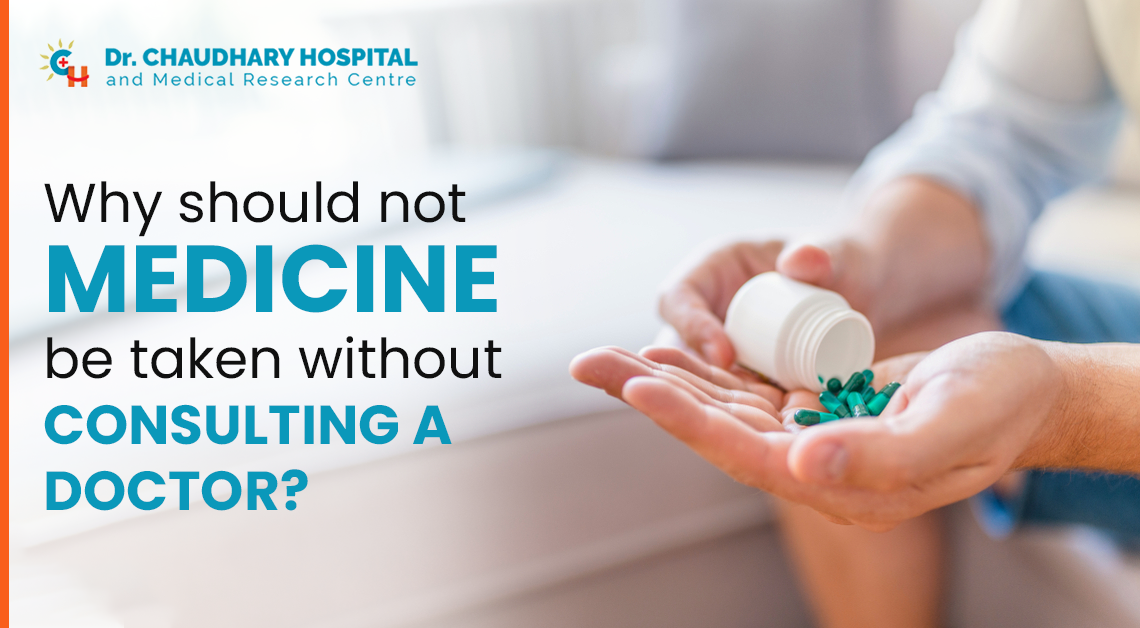
Why should not medicine be taken without consulting a doctor?

When it comes to your health, consulting a doctor should always be the first course of action. Taking medicine without consulting a doctor can be dangerous, as it can lead to serious health complications and even death.

One of the most dangerous risks of taking medicine without consulting a doctor is that the medication may not be effective for the condition being treated. Different medications can have different effects on different individuals, and without a doctor’s guidance, you may not be taking the right medication for your condition. This could lead to the condition not improving or getting worse. Additionally, some medications can worsen certain conditions or have dangerous interactions with other medications. Without a doctor’s advice, you could be putting yourself at risk of serious health complications.

What are the possible dangers of using the wrong medicines or antibiotics?

If a medication is taken wrongly, it might occasionally cause major injury. Medicines should not be taken without consulting a doctor because they can be potentially dangerous if taken without proper guidance. Different medicines can interact with each other, leading to unforeseen side effects. Additionally, some medicines can be harmful if taken in the wrong dose or if taken with certain medical conditions. A doctor can assess individual medical needs and provide the best advice for taking medicines safely.

Taking incorrect medicines can lead to a variety of side effects, including allergic reactions, digestive issues, skin irritation, dizziness, headaches, and drowsiness. In addition, it can interact with other medications and cause serious side effects, including an increased risk of bleeding, high blood pressure, and even organ failure. In some cases, taking the wrong medication can even be fatal.

Sometimes a patient in an emergency uses or instigates an unnecessary medicine or drug to get it cured at home but it can sometimes prove fatal to the patient in the following ways:

  • Harm to other people’s good microorganisms.
  • Side symptoms such as nausea, vomiting, diarrhea, dermatitis, and urticaria.
  • You may not be aware of the negative effects that come with most medications.
  • The dosage you took could have a detrimental impact on any other medications you are taking and result in unexpected effects.
  • Unable to be treated since the incorrect medicines were used.
  • Antibiotic allergies can be fatal.
  • Difficulty treating illnesses that call for high doses of antibiotics. As the illness worsens, the likelihood of mortality increases.

Please keep in mind that using medicines or antibiotics without consulting a doctor or pharmacist is dangerous and that you shouldn’t use them for a mild infection. The antibiotic dosage needs to be changed for patients with liver or kidney impairment, especially young children. Additionally, the doctor and pharmacist should be advised of any previous medical allergies.

Why should you consult a doctor before taking medicine?

One of the risks of taking medicine without consulting a doctor is that you may be taking too much or too little of the medication. Taking too much medication can lead to serious health complications, including organ damage and even death. On the other hand, taking too little of the medication can lead to the condition not being treated properly and can even cause the condition to worsen. A doctor can help you determine the right dosage for your condition and can adjust the dosage if necessary.

Finally, taking medicine without consulting a doctor can lead to addiction or dependency. Many medications, especially those used to treat pain or mental health conditions, can be highly addictive and can cause dependency if taken too frequently or in too high of doses. A doctor can help you understand the potential risks of the medication and can help you manage your dosage to avoid addiction and dependency.

Conclusion

Taking medicine without consulting a doctor is never a good idea. While it may seem like a convenient option, it can have serious consequences and can even lead to death in some cases. If you think you need to take medication for a medical condition, it is important to consult a doctor first. A doctor can help you determine the best treatment for your condition and can help you manage the medication to avoid any serious health risks.

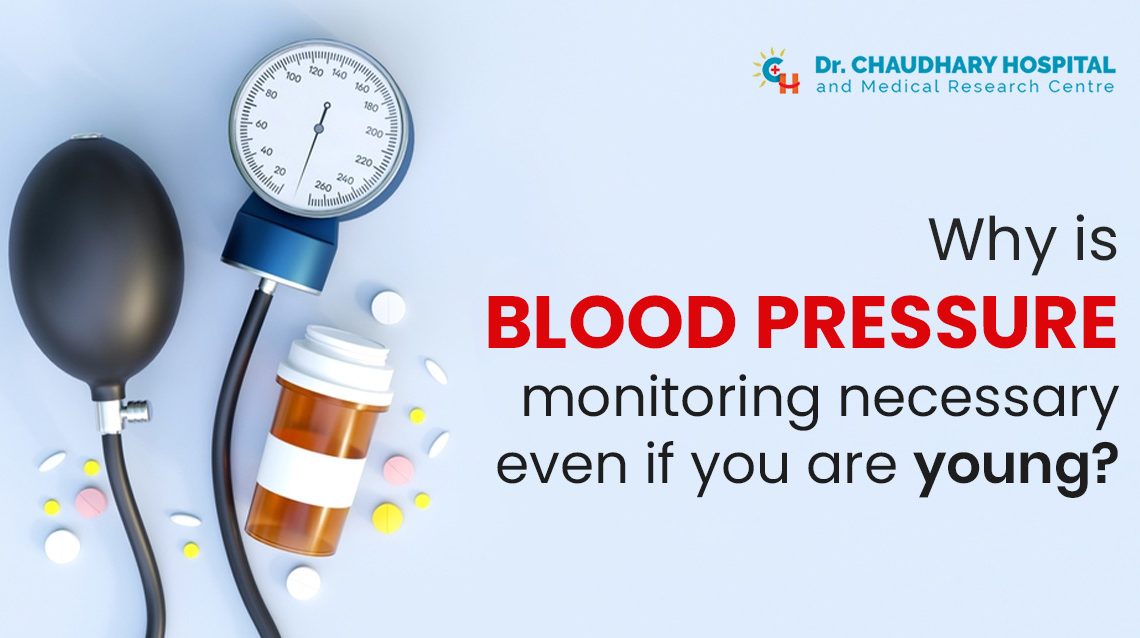
Why is Blood Pressure Monitoring Necessary Even If You Are Young?

Is the problem of high blood pressure really prevalent at a young age? Does it really matter that your doctor is worried about your blood pressure when you’re young and healthy?

You are not too young to be affected by high blood pressure. Even those who appear to be in good health—roughly half of the people over the age of 20 have raised or high blood pressure. Even though high blood pressure doesn’t have any overt symptoms, it shouldn’t be disregarded.

High blood pressure quietly affects your body over time, increasing your risk of developing significant medical disorders, even though it might not feel like it at the moment. This explains why high blood pressure is known as a silent killer.

What does your blood pressure number mean?

The force that blood exerts on artery walls as it is circulated throughout the body is known as blood pressure. Your arteries are engineered to withstand a certain pressure, but there is a limit to what they can handle.
Because of this, blood pressure is measured and divided into groups according to how it impacts our health.

The four types of blood pressure are as follows:

  1. Less than 120/80 mmHg is considered normal blood pressure.
  2. 120 to 129/80 mmHg is considered higher-than-average blood pressure
  3. Stage 1 high blood pressure: 130–139/80–90 mmHg
  4. Stage 2 hypertension: 140/90 mmHg or greater.

Why is it necessary to monitor blood pressure even at a young age?

Blood pressure monitoring is important for people of all ages, including those who are young, for several reasons:

Early detection of high blood pressure: High blood pressure, also known as hypertension, is a common health issue that can lead to serious health problems such as heart disease, stroke, and kidney disease. Monitoring blood pressure regularly can help detect high blood pressure early and allow for prompt treatment.

Identification of underlying health problems: Abnormal blood pressure readings can indicate underlying health problems, such as heart disease, diabetes, or kidney disease. Regular monitoring can help identify these issues early and take the right measures.

Assessment of lifestyle factors: Blood pressure can be affected by lifestyle factors such as diet, exercise, stress, and alcohol consumption. Regular monitoring can help individuals understand the impact of these factors on their blood pressure and make lifestyle changes to improve their health.

Monitoring the effectiveness of treatment: If an individual is already being treated for high blood pressure, monitoring their blood pressure regularly can help determine the effectiveness of the treatment and adjust it as needed.

In short, regular blood pressure monitoring is important for maintaining good health and preventing long-term health problems, regardless of age.

How does blood pressure affect the health of young people?

High blood pressure, also known as hypertension, can have negative impacts on the health of young individuals. Some of the ways it can affect their health include:

Increased risk of cardiovascular disease: High blood pressure can cause damage to the blood vessels and heart, increasing the risk of heart disease, stroke, and other cardiovascular problems.

Kidney damage: High blood pressure can cause damage to the kidneys, leading to kidney disease and reducing their ability to function properly.

Cognitive decline: High blood pressure has been linked to cognitive decline, including a decline in memory and other cognitive abilities.

Long-term studies have shown that having high blood pressure increases your risk of developing serious health problems later in life, even if you’re only in your twenties or thirties. Uncontrolled high blood pressure is a significant risk factor for middle-aged heart disease, the country’s leading cause of death. Additionally, it raises the chance of kidney disease, stroke, and various eye diseases.

In short, high blood pressure can have a negative impact on the overall health and well-being of young individuals. Regular monitoring and prompt treatment can help prevent or reduce these negative impacts.

How can you lower your blood pressure?

  1. Lifestyle changes: Making changes to your diet, exercise routine, and stress levels can help lower blood pressure. Eating a diet rich in fruits, vegetables, whole grains, and low-fat dairy products and reducing your intake of salt, saturated fat, and alcohol can help. Regular physical activity, such as 30 minutes of moderate exercise most days of the week, can also help lower blood pressure.
  2. Weight management: Maintaining a healthy weight through diet and exercise can help lower blood pressure.
  3. Medications: There are several medications that can be prescribed to help lower blood pressure, including diuretics, ACE inhibitors, calcium channel blockers, and beta-blockers.
  4. Avoiding tobacco: Tobacco use can raise blood pressure, so quitting smoking or using other tobacco products can help lower it.
  5. Limiting alcohol consumption: Excessive alcohol consumption can raise blood pressure, so it’s important to limit alcohol consumption to moderate levels.

Conclusion

It’s important to work with your healthcare provider to develop a personalized plan to lower your blood pressure, taking into account your individual needs and health status. Making lifestyle changes, taking medications as prescribed, and monitoring your blood pressure regularly can help you achieve and maintain healthy blood pressure.

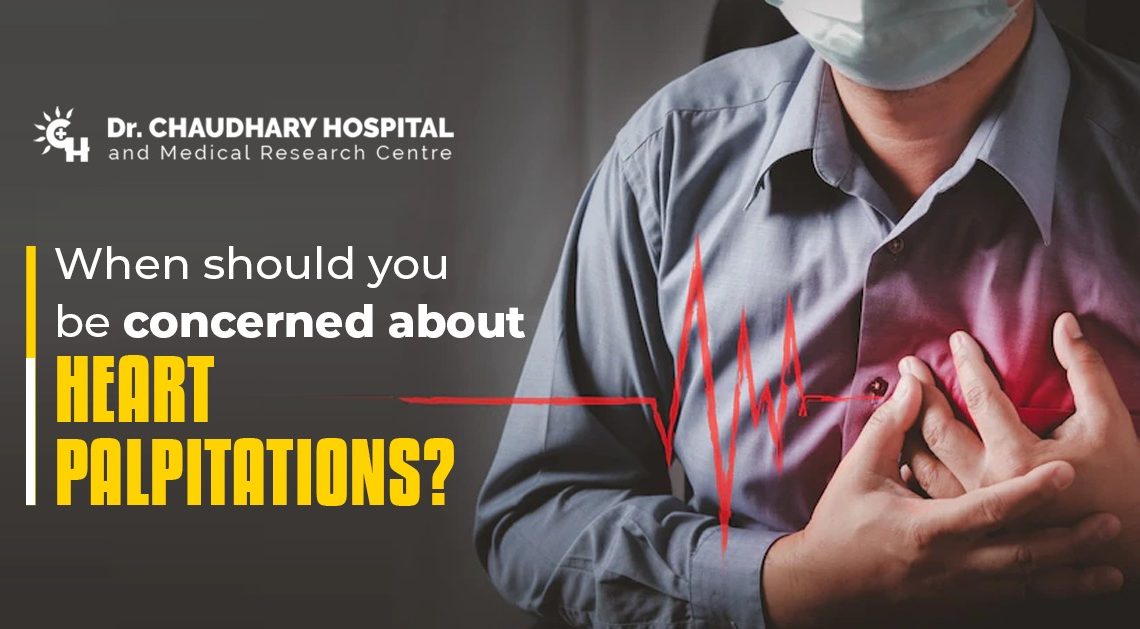
When should you be concerned about heart palpitations?

The sound of your heart pumping blood to the rest of your body is sometimes referred to as “lub dub,” or the sound of your heartbeat. Your heart beats 60 to 100 times every minute, working hard to supply your body with the blood it needs to survive.

Sometimes, this rhythm can shift momentarily, and you might experience a heartbeat skipping. It is normal in certain cases or situations. This phenomenon in your body is known as heart palpitations. Heart palpitations are the flutters that occur when your heart beats quicker than usual or skips a few beats. You might also have excessive self-awareness. Palpitations typically do no harm and disappear on their own.

Heart palpitations might make you feel nervous and afraid even though they are frequent. Here are some instances in which you shouldn’t be concerned if your heart skips a beat and others in which it could be necessary to visit a doctor.

What are Heart Palpitations?

Heart palpitations are sensations of a hammering, fluttering, or rapid heartbeat. A medical condition, stress, exercise, or medicine can occasionally trigger them. Even though heart palpitations can be unsettling, they are typically not harmful. Rarely, heart palpitations may be a sign of a more severe heart issue, such as an arrhythmia, which may need to be treated.

What are the Symptoms of heart palpitations?

Palpitations can feel like the heart is:

  • Beating too fast
  • Flip-flopping
  • Fluttering rapidly
  • Pounding
  • Skipping beats

Heart palpitations may be felt in the throat or neck as well as the chest. They can occur during activity or at rest.
Common triggers for palpitations

Here’s some good news if you’re concerned that your palpitations are the result of a heart condition: most palpitations are not brought on by heart-related problems. Instead, they are typically caused by:

  • Exercise /Stress/Anxiety
  • Drunken stimulants (caffeine)
  • Nicotine cessation
  • Alterations in hormones during pregnancy
  • Reduced blood sugar

When to seek medical care?

Heart palpitations are typically nothing to be concerned about. Your heartbeat should return to normal once that extra cup of coffee has left your system or after you’ve had some time to recover from a strenuous workout. Heart palpitations, however, may be a sign of a more serious heart condition if they appear out of the blue and you are unable to link them to any other cause, such as:

  • Heart disease
  • A defective cardiac valve, such as one that is leaking or excessively thin and doesn’t allow enough blood flow
  • Chest pain
  • Heart attack
  • Cardiomyopathy (other disorders that cause your heart muscle to become bigger, thicker, or inflexible) (other diseases that cause your heart muscle to become larger, thickened, or rigid)
  • Loss of consciousness
  • Difficulty breathing
  • Excessive sweating
  • Dizziness, lightheadedness, or the feeling that you might faint
  • Confusion
  • Pain or tightness in your chest

Treatment of heart palpitations

Your doctor will normally suggest one of three treatments, depending on the degree of the symptoms and the underlying reason of the palpitations:

Preventive treatment (for mild palpitations) – Try giving up smoking, excessive caffeine, and alcohol; engage in yoga and general deep breathing; get lots of sleep and exercise; and schedule “you” time on a regular basis.

Medication – Your doctor may recommend calcium channel blockers and beta blockers, both of which have a safe history, as antiarrhythmic medications. Sometimes, stronger antiarrhythmic medications that directly affect the heart’s sodium and potassium channels are needed for treatment.

Catheter ablation: To produce an arrhythmia, locate its cause, and cauterise the affected area, small wires are inserted through the leg veins into the heart. When a doctor can locate an arrhythmia in a particular area of the heart, this treatment is quite effective

Conclusion

Although palpitations can be uncomfortable, they typically don’t indicate anything severe. Palpitations can be avoided by staying away from known causes like stress, alcohol, and caffeine.

Additionally, keep in mind that each person differs, so your triggers might not be the same as those of someone else who experiences Palpitations. Try to avoid these triggers if your heart palpitations tend to occur after drinking coffee or after a particular sort of exercise.

Do not hesitate to visit your healthcare physician if you have palpitations and are concerned. The best expert on your body is you, so if something doesn’t feel right, have it examined. Your heartbeat should not make you nervous; rather, it should serve as a continual reminder of how well your heart is working.

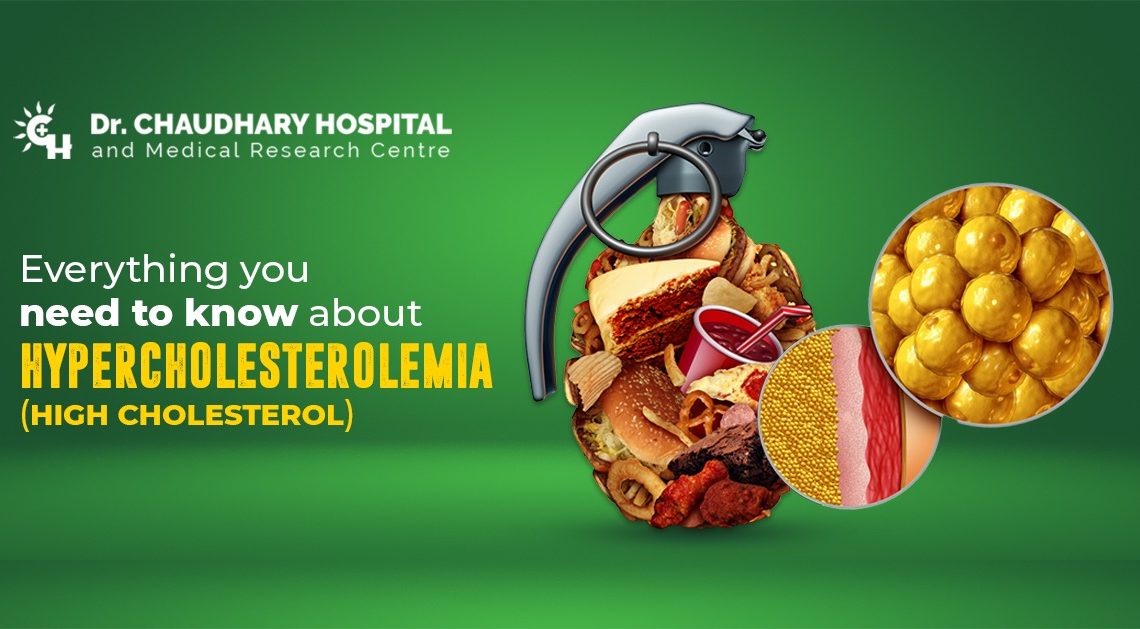
Everything you need to know about Hypercholesterolemia (High Cholesterol)

Cholesterol is a waxy type of molecule that is present in your blood. Although your body needs cholesterol to create healthy cells, having too much of it can increase your chance of developing heart disease. If you have excessive cholesterol, fatty deposits may develop in your blood vessels. Once this material gets hard or thickens this in turn reduces the flow of blood to your arteries. Sometimes these deposits can suddenly split, forming a clot that causes a heart attack or stroke.

Although high cholesterol (Hypercholesterolemia ) can be passed down through the family, it is typically caused by bad lifestyle decisions, making it both treatable and preventable. In some circumstances, medicine can help lower high cholesterol along with a healthy diet and frequent exercise.

What is hyperlipidemia?

Hyperlipidemia, also known as dyslipidemia or high cholesterol, means the excess of lipids (fats) in your blood. In order to aid in food digestion and the production of hormones, your liver produces cholesterol. However, meals from the meat and dairy sections also contain cholesterol. The cholesterol in meals you eat is excess since your liver can produce all the required cholesterol.

A high cholesterol level is dangerous because it can narrow the arteries that supply blood to various regions of your body. If your arteries do not provide your organs with adequate this in result can damage your body.

Bad cholesterol (LDL), which causes plaque to accumulate inside of your blood vessels and hardened cholesterol deposits, is the most dangerous type of cholesterol. This makes it more difficult for your blood to get through, which increases your chance of having a heart attack or stroke. Depending on the location of the blockage, this may result in a heart attack or stroke.

“Bad cholesterol” refers to low-density lipoprotein (LDL), which normally clogs your arteries and creates a blockage. (High borderline range: 130 to 159 mg/dL. High (range: 160 to 189 mg/dL.)

High-density lipoprotein (HDL) is known as good cholesterol due to the fact that it transports cholesterol to your liver which gets rid of the cholesterol. In this instance, it is facilitating your blood’s passage through your blood vessels. You shouldn’t have an HDL level of fewer than 40 mg/dL.

It’s crucial to understand that healthcare professionals make treatment decisions based on more than just your cholesterol levels.

What are the Symptoms of High Cholesterol (Hypercholesterolemia)?

High cholesterol is typically a “silent” disease. Usually, it doesn’t result in any symptoms. But it might affect your body in the following ways:

Regular cholesterol screening is crucial for this reason. If you are 20 years of age or older, discuss with your doctor whether you should have regular cholesterol screenings and checkups. Find out how this screening may be able to save your life.

How common is hyperlipidemia?

Hyperlipidemia is quite typical. The total cholesterol level in 93 million American individuals (aged 20 and older) is higher than the advised level of 200 mg/dL.

How serious is high cholesterol?

If hyperlipidemia is not treated, it can become quite dangerous. If high cholesterol (Hypercholesterolemia) is left untreated, plaque will continue to build up inside of your blood vessels. Because your blood has a difficult time passing through your blood arteries, this could result in a heart attack or stroke. Your brain and heart are deprived of the oxygen and nutrition they require to function.

Risk factors for high cholesterol (Hypercholesterolemia)

You may be at a higher risk of developing high cholesterol if you:

  • Have obesity
  • Consume a lot of saturated and trans fats, such as those in fast food, and engage in a little exercise
  • Use tobacco products
  • It could be heredity in your family
  • Have kidney problems, diabetes, or hypothyroidism
  • People of all age groups, genders, etc are affected by high cholesterol

How to Control High Cholesterol (Hypercholesterolemia)?

If you have high cholesterol, it is considered better to consult your doctor. He could advise lifestyle changes to help lower it. For instance, they can suggest modifying your daily schedule or routine way of doing things, workout regimen, or diet. They’ll probably tell you to quit smoking if you do.

Your doctor may suggest medications or other therapies to help lower your cholesterol. They could advise you to seek additional treatment from an expert in certain special cases.

How to prevent Cholesterol?

The risk factors associated with cholesterol through heredity are uncontrollable. Lifestyle factors can be controlled, though. Follow this to prevent cholesterol:

  • Consume a healthy diet that’s high in fibre and low in animal fats and cholesterol.
  • Refrain from using alcohol excessively.
  • Sustain a healthy weight.
  • Work out frequently.
  • Don’t smoke.

For routine cholesterol screening, go by your doctor’s advice. They’ll probably advise you to have your cholesterol levels checked frequently if you’re at risk for high cholesterol or coronary heart disease.

Takeaway

High cholesterol (Hypercholesterolemia) typically has no symptoms. However, untreated high cholesterol might result in major health problems. The good news is that, in many circumstances, your doctor can help you manage this illness and prevent consequences. Follow your doctor’s prescribed treatment schedule and live a healthy lifestyle to reduce your risk of problems from high cholesterol.

To know more about Hypercholesterolemia or get treatment for your high cholesterol visit Dr. Chaudhary Hospital. Dr.Choudhary hospital has the best physicians, doctors, and healthcare facilities; a place where all your health-related issues will be identified, resolved, and overcome.

Is the Covid-19 vaccine increasing the number of heart attacks?

Despite the fact that Covid vaccinations are certified as safe and effective, doctors do not entirely rule out a minor adverse effect of vaccination on heart health. India is also experiencing the severe impacts of the virus owing to the Covid-19 pandemic, which broke out in 2019 and has been disastrous for the entire planet. Social media is also saturated with reports that Covid-19 booster doses might cause heart inflammation or possibly a heart attack.

You might encounter some side effects from the COVID-19 vaccine, like with most vaccines. Although the COVID-19 vaccine does not appear to raise the risk of heart attacks, some people may experience heart inflammation as a result of it. This effect, though, is usually minor and fades away after therapy.

Remember that the rate of heart inflammation (myocarditis) from the vaccine appears to occur at a much lower rate than heart inflammation brought on by COVID-19 infection. The potential effects of the Covid vaccination on the heart have once again come under scrutiny as additional cases of sudden cardiac arrest in young, healthy people trickle in from different regions of the country. Vaccines made by Covid have been deemed safe and effective, however, doctors do not entirely rule out a minor effect on heart health. They assert, however, that the benefits of vaccinations much outweigh any potential negative effects on people.

According to Dr Viveka Kumar, Principal Director & Chief of Cath Labs (Pan Max) – Cardiac Sciences, “Recently, we have seen a lot of young people dying of acute heart attacks and cardiac arrest in particular while doing physical activity like dancing, driving, wedding ceremonies and all. This was seen during peak Covid time also when a lot of people had a presentation of cardiac arrest. Now post Covid vaccine too, we have seen an increase in cardiac events even when infected with a milder form of Covid infection”

Does the COVID-19 vaccine increase the risk of a heart attack?

There is no reliable proof to date that the COVID-19 vaccine raises your chance of having a heart attack. However, some other reasons might instigate the possibility of heart attacks after the covid-19 vaccine.

A variety of cardiac problems are caused by unhealthy lifestyle habits which include eating fast food, smoking, abusing tobacco, drinking excessive amounts of alcohol, working long hours at a desk, and skipping out on the regular physical activity. Stress (both physical and mental) over a long period of time and inadequate sleep both have an impact on heart health. All of these elements contributed to the problems brought on by the Covid-19 infection and caused avoidable mortality.

Speaking about the association of the COVID vaccine or the booster shots with cardiovascular disorders, Dr A.M Deshmukh, President of the Microbiologist Society, in India said, “COVID has undoubtedly increased the risk for cardiovascular disorders. People with lifestyle diseases, like Diabetes, Cholesterol Hypertension, etc., if infected with COVID-19, are at an elevated risk for developing cardiac problems or experiencing a heart attack and even death; compared to those who don’t have any co-morbid health conditions.”

Can the vaccine cause changes to your heartbeat?

Some people have reported feeling a faster heartbeat in the days after their Covid-19 vaccine. This is typically not a cause for alarm and maybe a natural component of your body’s immune reaction to the vaccine. It can be challenging to distinguish between a faster heartbeat that might not be cause for concern and one that requires medical attention. It can be a sign of myocarditis, a condition that, albeit uncommon, demands medical attention. Therefore, if you experience any new symptoms, particularly if they persist, such as chest pain, shortness of breath, or a feeling that your heart is racing, fluttering, or pounding, you should visit a doctor.

Is the vaccine safe for people with heart conditions?

Those with heart issues can receive COVID-19 immunization without risk. Actually, getting vaccinated is essential if you have a cardiac disease. This is due to the higher risk of serious illness in those with cardiac problems who contract COVID-19.

According to the Centers for Disease Control and Prevention (CDC)Trusted Source, the only people who shouldn’t receive a COVID-19 vaccine are individuals who: have experienced a severe allergic reaction, called anaphylaxis, to a previous dose of the COVID-19 vaccine or to one of its ingredients have a known allergy to an ingredient in the COVID-19 vaccine developed thrombosis with thrombocytopenia syndrome (TTS), a severe blood clotting condition, following vaccination with the Johnson and Johnson COVID-19 vaccine (these individuals should choose an mRNA vaccine instead)

Bottomline

The COVID-19 vaccine has not been linked to any heart attacks, according to credible research. This hypothesis is based on an incorrect interpretation of results from a preliminary study. Overall, more study of this subject is required.

It is true that the COVID-19 vaccine can show some symptoms of heart issues. The risk of these ailments is, however, considerably greater following COVID-19 infection than following COVID-19 vaccination.

Even COVID-19 alone has the potential to result in severe heart-related problems. Additionally, COVID-19 puts people with heart issues at a higher risk of developing a major disease or death. Hence, It is crucial to get vaccinated even if you have a cardiac problem for this reason.

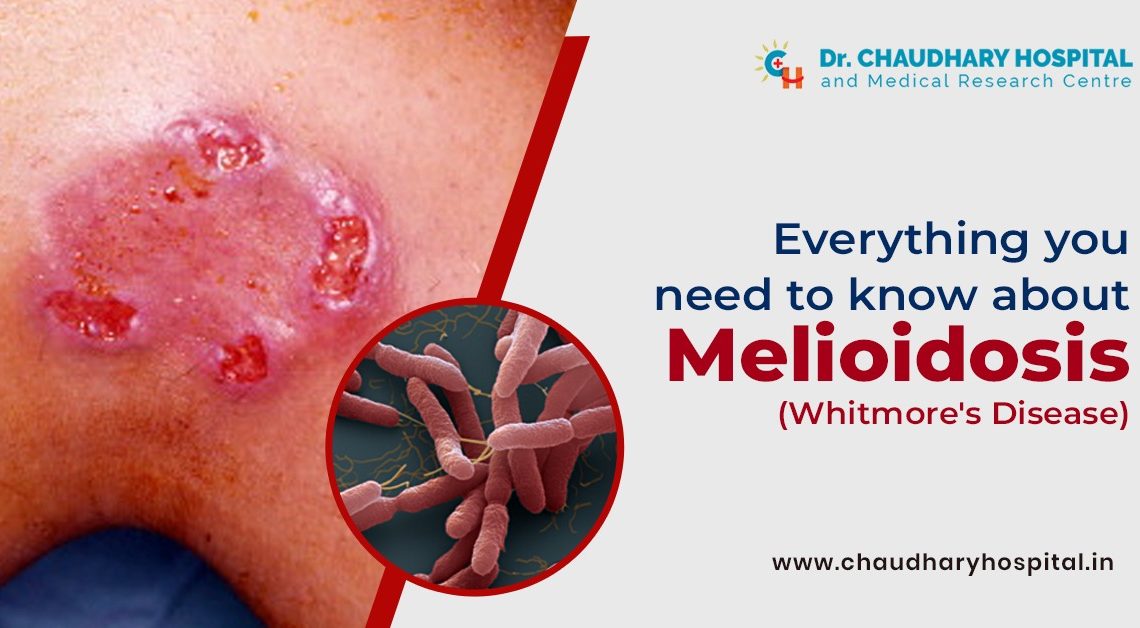
Everything you need to know about Melioidosis (Whitmore’s Disease)

Melioidosis is a bacterial infection that can affect both humans and animals. It is also known as Whitmore’s disease. It is caused by the bacteria Burkholderia pseudomallei. These bacteria have the potential to pollute water or soil. People can contract the sickness if they:

  • Inhale contaminated water or dust.
  • Consume or drink anything that has come into contact with these sources.
  • Make touch with contaminated dirt or water on your skin.
  • Use of aromatherapy sprays or essential oils

Melioidosis is mainly found in tropical climates. It most often occurs in Thailand, Malaysia, Singapore, and northern Australia. Cases are also reported frequently in:

  • India
  • Sri Lanka
  • Southern China
  • Hong Kong
  • Taiwan
  • Vietnam
  • Indonesia
  • Cambodia
  • Laos
  • Myanmar (Burma)

Less often, it’s found in other parts of the world, including a few cases in the United States and Europe.

What are the Symptoms of Melioidosis?

Melioidosis infections can range from moderate to severe. You might not have any symptoms. You could have a localised infection in a certain place of your body. Alternatively, the disease could impact your lungs, bloodstream, or multiple sections of your body all at once. It can be lethal if left untreated.

Because it can affect practically any organ, it might be confused with other diseases such as tuberculosis or pneumonia.
In animals, infections with no symptoms are prevalent. However, depending on the type of infection, melioidosis can induce a variety of symptoms in animals. It is capable of infecting a wide range of animals, including dogs, cats, sheep, goats, pigs, cattle, and horses.

A localised melioidosis infection typically affects only one area of your skin. It could lead to:

  • Fever
  • Pain and swelling in that area
  • Abscesses (pus-filled areas)
  • Sores

Lung (pulmonary) infections can lead to:

  • Headache
  • Cough
  • Chest pain
  • High fever
  • Loss of appetite

Signs of a bloodstream infection can include:

  • Fever
  • Headache
  • Discomfort in the belly area
  • Trouble breathing
  • Confusion
  • Joint pain

A widespread infection may cause:

  • Weight loss
  • Fever
  • Muscle or joint pain
  • Stomach or chest pain
  • Headache
  • Seizures
  • Central nervous system or brain infection

Symptoms often emerge 2 to 4 weeks following exposure to the pathogen. However, specialists have not specified the time between exposure and the onset of symptoms.

Who is predisposed to Melioidosis?

Even persons who are otherwise healthy can become sick. Those with medical issues, on the other hand, are at a higher risk of contracting a serious illness. The following conditions increase your risk:

  • Disease of the Liver
  • Diabetes
  • Renal (kidney) disease
  • Thalassemia is a genetic blood condition.
  • Cystic fibrosis, chronic obstructive pulmonary disease (COPD), and bronchiectasis are all chronic lung illnesses.

Diagnosis of Melioidosis

A melioidosis infection can be diagnosed by extracting Burkholderia pseudomallei bacteria from:

  • The blood test
  • Urine specimen
  • Swab your throat
  • Skin lesion examination
  • Abscesses

Doctors may also check for an antibody response to the bacterium to diagnose it. They may recognise the diagnosis as:

  • A localised infection is one that affects only one portion of the body.
  • Infection of the lungs
  • Infection of the bloodstream
  • Infection that has spread to different organs in the body is known as disseminated infection.

How Is Melioidosis Treated?

IV antibiotic medicines are normally used for at least two weeks and up to eight weeks for severe infections. Your doctor will then prescribe oral antimicrobials for 3 to 6 months.

  • ceftazidime (Fortaz, Tazicef), given every six to eight hours
  • meropenem (Merrem), given every eight hours

The second stage of treatment is three to six months of one of these two oral antibiotics:

  • sulfamethoxazole-trimethoprim (Bactrim, Septra, Sulfatrim), taken every 12 hours
  • doxycycline (Adoxa, Alodox, Avidoxy, Doryx, Monodox), taken every 12 hours

Relapses don’t occur as often as they once did. They occur mostly in people who don’t complete the full course of antibiotics.

What preventive measures could be taken for Melioidosis?

To reduce your risk of infection in disease-infested areas:

  • Contact with soil and standing water should be avoided, especially if you have open wounds or other risk factors.
  • Wear boots and gloves when going outside to protect yourself.
  • After working with the earth, wash your hands.
  • Cover cuts and scrapes with waterproof bandages.

Outlook for melioidosis

Despite modern IV antibiotic therapies, a considerable number of individuals die each year from melioidosis, notably from sepsis and its consequences. Death rates are higher in locations where medical treatment is scarce. Travellers to high-risk locations should be aware of the disease and take precautions to reduce their exposure. If tourists return from tropical or subtropical countries and get pneumonia or septic shock, their doctors should investigate melioidosis as a possible diagnosis.


Developed with by nDimensions