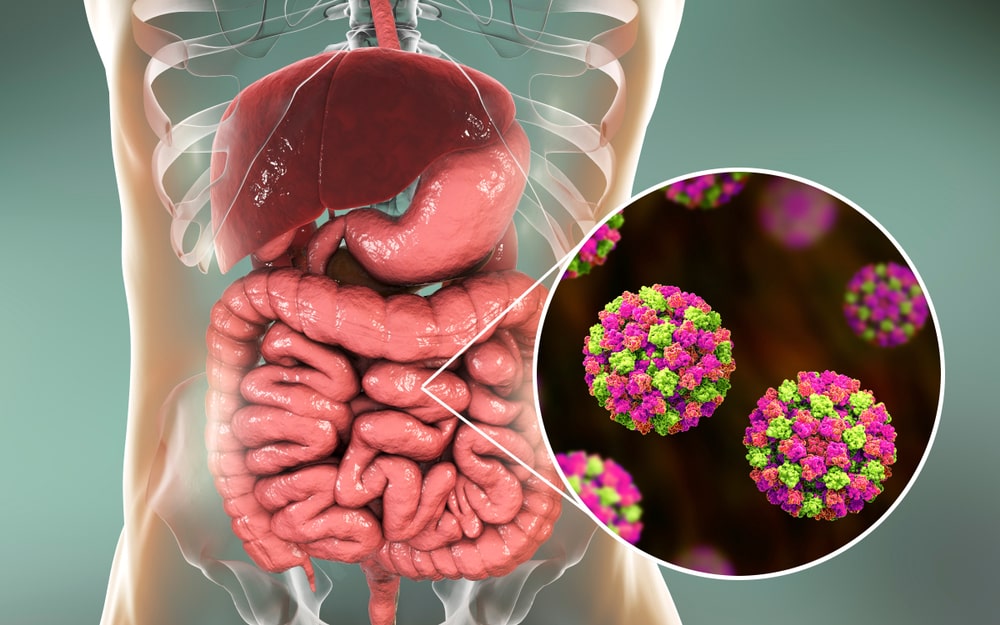
Gastroenteric problems or Gastrointestinal problems refer to those problems or diseases that cause affect the tract from mouth to the anus. This tract is referred to as the gastrointestinal tract. The effect of the problems can cause constipation, irritable bowel syndrome, nausea, gas, food poisoning, bloating, acidity, and even some serious diseases like colorectal cancer.
Digestive problems have been increasing rapidly over the last two decades. All of this can be attributed to the introduction of bad lifestyles and fast food chains and the introduction of new and new trashy fast foods, helping people develop these issues. While most of these issues are caused by trash eating and haptic lifestyles, some issues are out of your control.
Types of Gastrointestinal Diseases
There are two types of gastrointestinal diseases where. The first one is functional, where your gastrointestinal tract looks normal upon examination but fails to function properly. The second one is structural, whereupon examination, the tract looks abnormal and doesn’t function properly. These issues can be more severe and sometimes need proper gastroenterologist doctor assistance and even surgical removal methods.
Let us know about the causes of functional gastric diseases.
Causes of Functional Gastric Diseases

There can be various reasons for gastric problems. The most common do the most difficult reasons that can cause issues in your gastrointestinal tracts. Even a slight change in your lifestyle can cause these issues. Some of the causes of digestive problems are:
- Taking a low fiber diet
- Constant use of antacids containing calcium
- Lack of physical movement
- Change in lifestyle and daily routine
- Overstress
- Long travel
- Suppressing the urge for a bowel movement
- Change in the TDS of drinking water ( possibly due to change of place or faulty water purifier or supply)
- Taking heavy medicines
- Depression
- Pregnancy
- Consumption of a large number of dairy products
These are all the causes that lead to the arousal of certain signs and symptoms that indicate the need to visit a gastroenterologist doctor. Let us have a look at 10 reasons why you may need to visit a gastroenterologist
10 reasons why you may need to visit a gastroenterologist
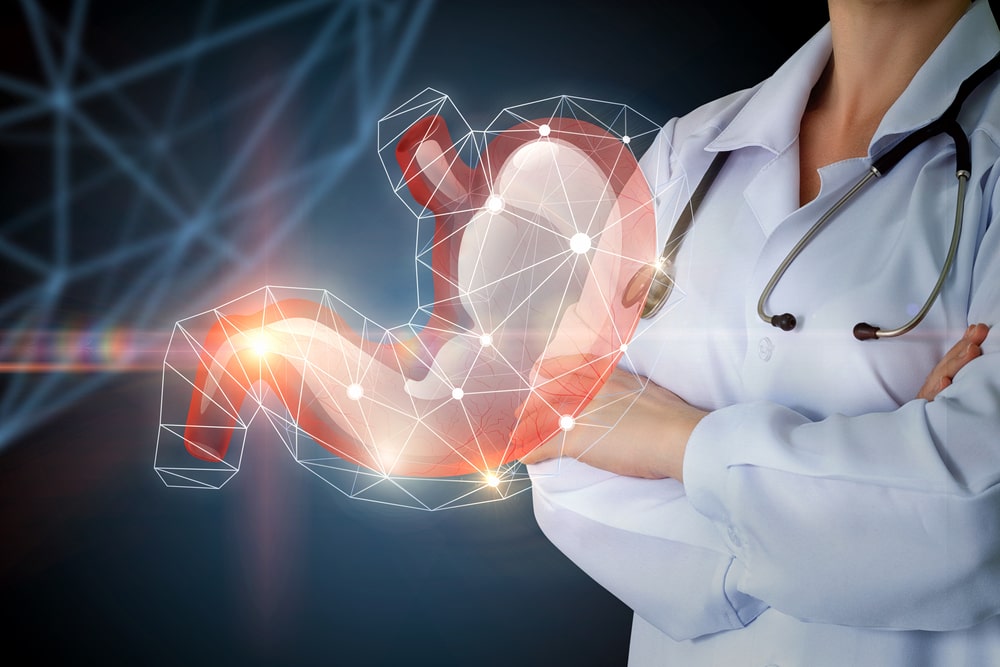
Gastroenterologists are specialist doctors who help you with issues related to your gastrointestinal tract. These doctors can treat all issues like constipation, Irritable bowel syndrome, Acid reflux, acidity, etc. These doctors don’t perform gastrointestinal surgery for more complex GI issues.
Below given are 10 signs you need to see a gastroenterologist.
Constipation
Constipation is one of the most common signs of an affected GI tract. Constipation leads to the arousal of many issues such as stomach pain, abdominal pain, bowel issues, and many more.
Constipation is a condition where it gets difficult to pass stools through the bowel. With this, you may have difficulty in finishing stools, and your urge for bowel movement largely decreases. It is the most common Gastric issue worldwide, and a qualified gastroenterologist doctor can help solve the issue. Constipation is largely caused due to unhealthy eating and an affected lifestyle.
Frequent rectal bleeding or blood in the stool
Frequent rectal bleeding or blood in the stool can be a huge reason for visiting a doctor. This possibly occurs due to constant consumption of roughage and lack of liquids in your diet. When the stools are too tight, you should know that it’s high time to optimize your diet and avoid trash eating.
Constant heartburn
Constant heartburn can be caused due to the presence of over spicy or acidic foods in your diet. These can lead to bigger issues like acid reflux.
Diarrhea
If you have frequent bowel movements and are experiencing loose motions, you might need to consult a doctor. These stools are watery in nature, and you might experience heavy stomach pain because of this. If the condition is not improving, it can be an indicator of a bigger gastric disease.
Suspected Gallstones
If you have a suspicion of gallstones, then you need to consult a doctor immediately. Hardened digestive fluids that breakdown your food can cause frequent stomach aches lasting longer than avoidable.
Suspected ulcers
Ulcers can cause burn in the stomach every time you eat. The common sign of ulcers is the ineffectiveness of antacids. If you are having a burning sensation while eating the lightest and most watery foods, you should consult a gastroenterologist.
Hemorrhoids
This is a common issue that is caused due to the swelling of veins of the lower part of the rectum. A gastroenterologist can resolve this. This is more prevalent among the obese.
Bloating
Bloating is caused by heavy diets in common people, but if it stays for way longer than it should, you should consult a doctor.
Lactose intolerance
Lactose intolerance is a common disease in many parts of the world, but this can indicate other underlying digestive issues that need to be treated.
Scheduling a colonoscopy
If you are an adult over 50, you should be doing a colonoscopy every 5-10 years to prevent colon-related diseases.
Conclusion
Gastrointestinal problems are more common nowadays and can be prevented easily by a small tweak in the lifestyle, eating habits, and exercising properly. The constant inclusion of junk food has caused a serious increase in digestive problems among youngsters. People should learn to take better care of their health.
About Chaudhary Hospital

Chaudhary hospital has been serving Udaipur for 15 years. Established in 2005 Dr. Chaudhary hospital is situated at the heart of Udaipur. Chaudhary hospital is NABH certified. We have the best Gastroenterologist in Udaipur and the department of Gastroenterology makes sure that complete care of your digestive system disorders is taken. Our skilled and experienced team of gastroenterologists and surgical gastroenterologists provide you complete help with the diagnosis and treatment of GI tract diseases.
The gastroenterology department at our hospital is effective in treating all gastrointestinal diseases such as hemorrhoids, gallstones, colons, ulcers, acid reflux, constipation, acidity, and all the diseases relating to various organs of the digestive system such as oesophagus, stomach, liver, gall bladder, pancreas, small and large intestines.
The cost-effectiveness at Chaudhary hospital is unmatched and we duly understand the value of your hard-earned money.